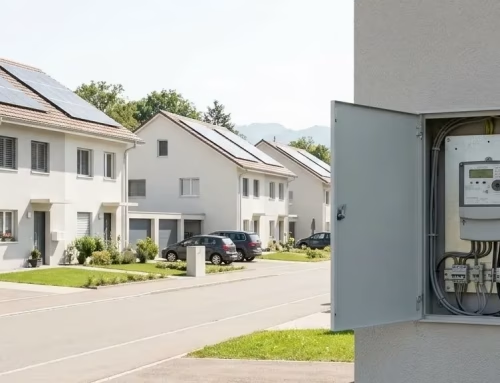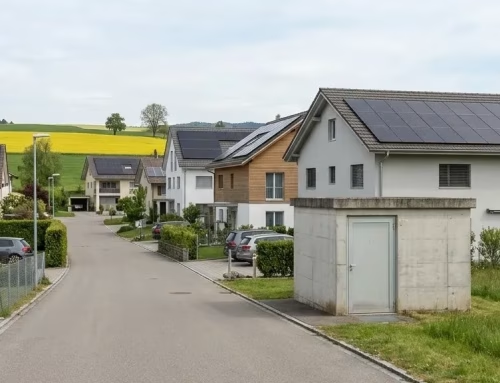
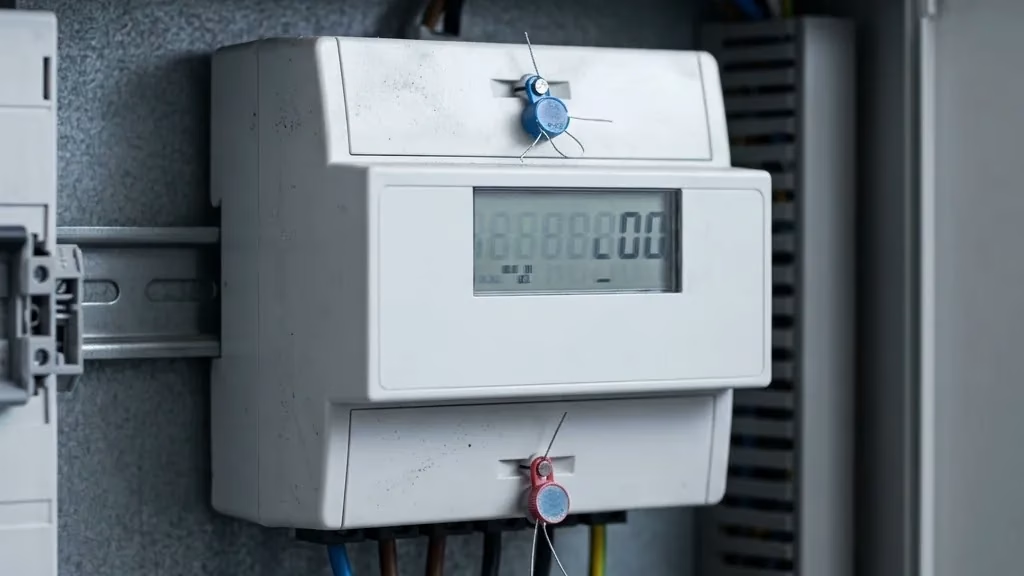
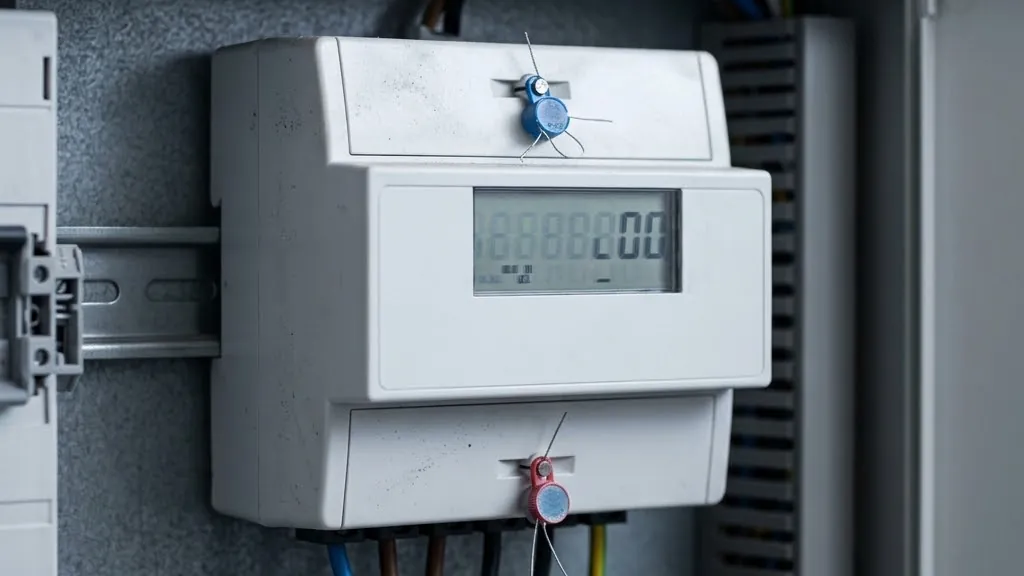
The smart meter measures consumption and feed-in separately and at 15-minute intervals – unlike the old meter, which only recorded one direction cleanly for many systems. For PV owners, this means: the fed-in surplus is exactly measured and remunerated, and the fine time data opens the door to dynamic tariffs. What the smart meter does not bring, on the other hand, is an offsetting of consumption and feed-in at the same price – the two remain two worlds with two prices. (as of: July 2026)
Key points in brief
- The smart meter records consumption and feed-in separately and every quarter of an hour.
- The fed-in surplus is thus exactly measured and remunerated at the feed-in tariff.
- The time data is the prerequisite for dynamic tariffs.
- There is no offsetting of consumption and feed-in at the same price – two prices remain.
- The meter is provided by the grid operator; as a PV owner you do not have to buy it yourself.
What does the smart meter change for feed-in?
It makes them precisely measurable – separately by direction. The smart meter records how much electricity you consume from the grid and how much surplus you feed in, each at 15-minute intervals and neatly separated. This is the prerequisite for your fed-in solar electricity to be correctly remunerated at all.
With the old meter, this was not always so clear: some simply ran backwards during feed-in, others needed separate recording for the feed-in. The smart meter clears this up – it knows both directions and documents them exactly to the time. What the smart meter basically is, how the rollout is going and what rights you have to your data is covered in the article Smart meter in Switzerland; this article here looks specifically at the feed-in.
Is my electricity now offset?
This is the most frequent hope – and honesty is needed here: No, there is no offsetting of consumption and feed-in at the same price. The smart meter measures both directions, but it does not bring them together into a zero-sum game. It remains two separate worlds with two prices: the electricity consumed costs the full tariff, the fed-in surplus brings the feed-in tariff, which is significantly lower.
This two-price logic is the core of the whole self-consumption question – why self-used solar electricity is worth much more than fed-in electricity is explained in the article Self-consumption or feed-in. The smart meter changes nothing about this; it only makes the two flows exactly measurable. What it secures is the minimum remuneration for the fed-in share – it is exactly measured, not estimated.
| Old meter (often) | Smart meter | |
|---|---|---|
| Measurement of consumption | yes | yes, every quarter of an hour |
| Measurement of feed-in | partly separate / backwards | yes, separated and exactly to the time |
| Time resolution | rough (meter reading) | Quarter-hour values |
| Dynamic tariffs possible | no | yes |
| Consumption/feed-in offset | no | no (two prices remain) |
Simplified overview, as of: July 2026. The current provisions and publications of your grid operator are authoritative.
What do the quarter-hour values bring in concrete terms?
They are the ticket to dynamic tariffs. Because the smart meter knows exactly when you consume and when you feed in, the billing can become time-dependent – with prices that change over the day. What this means and for whom it is worthwhile is covered in the article Dynamic electricity tariffs. For PV households this is doubly interesting: they can specifically shift consumption to cheap times and to their own sunny hours.
The second benefit is transparency. The fine time data shows you (and your app) when how much electricity flows – the basis for specifically increasing self-consumption. If you use this data, the abstract "I should consume more myself" becomes a concrete timetable: washing machine at midday, boiler during the sunny hours, large consumers when the roof delivers.
Important at the end, so that no expectation is derailed: the smart meter is provided by the grid operator – you do not have to buy it yourself, and the replacement is part of the ongoing rollout. As a PV owner, you benefit from the more accurate measurement without having to take action yourself.
With the smart meter we always encounter the same, understandable misconception: "Then everything is offset against each other, the bottom line is that I only pay the difference." That would be nice, but it is not true – and we prefer to say it sooner rather than later. The smart meter measures more accurately, it does not bill more cheaply. People only really see what it brings when they look at their quarter-hour values for the first time: it suddenly becomes visible how much surplus goes into the grid at midday, while expensive consumption happens in the evening. Exactly this view is the starting point for any self-consumption optimisation – the meter provides the data, the rethinking makes the difference.
Frequently asked questions
Does the smart meter offset my solar electricity against consumption?
No. It measures consumption and feed-in separately and accurately, but does not bring them together to a common price. The electricity consumed costs the full tariff, the fed-in surplus brings the lower feed-in tariff. This two-price logic remains – the smart meter only makes it exactly measurable.
Do I get more for my fed-in electricity with the smart meter?
Not automatically more, but exactly measured instead of estimated. The amount of the feed-in continues to depend on the tariff of your grid operator. What the smart meter additionally enables are dynamic tariffs and a precise look at your time data – the basis for increasing the more valuable self-consumption.
Do I have to buy the smart meter myself?
No. The meter is provided by the grid operator and installed as part of the ongoing rollout. As a PV owner, you generally do not have to take action for this. Details on rollout, costs and data rights are covered in the general article on the smart meter in Switzerland.
Why are the quarter-hour values important?
Because they show when you consume and when you feed in – exactly to the time. This is the prerequisite for dynamic tariffs and the basis for specifically increasing self-consumption: shifting consumption into the sunny hours, avoiding expensive consumption times. Without this fine resolution, both remain an estimate.
Free initial consultation
Make more of your meter data.
We will show you how you can increase the valuable part of your solar electricity with a smart meter and self-consumption control – instead of feeding it in cheaply.
Prefer to talk? +41 78 830 83 35
Photovoltaics Switzerland – installation by a specialist company →
Swissolar member and Solarprofi · ESTI installation authorisation (Art. 14 NIV) · in Zurich since 2017 · over 150 systems completed · a personal answer from the specialist company, no call centre
Further guides
 Smart Meter in der Schweiz
 Dynamische Stromtarife
 Self-consumption or feed-in
 Minimale Rückliefervergütung
 Feed-in tariffs at a glance
Sources: ElCom information on metrology and feed-in, StromVG/StromVV, publications of the grid operators, empirical values from system projects of ecoEn GmbH, Zurich region.
Last updated: 9 July 2026 · Author: ecoEn editorial team