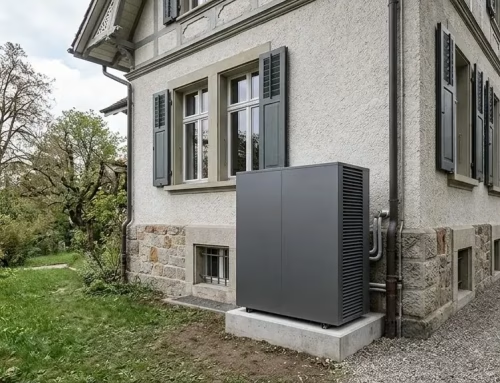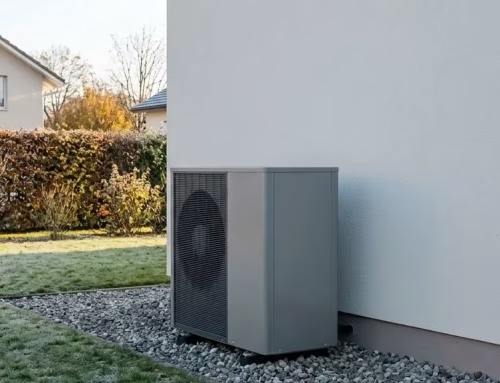
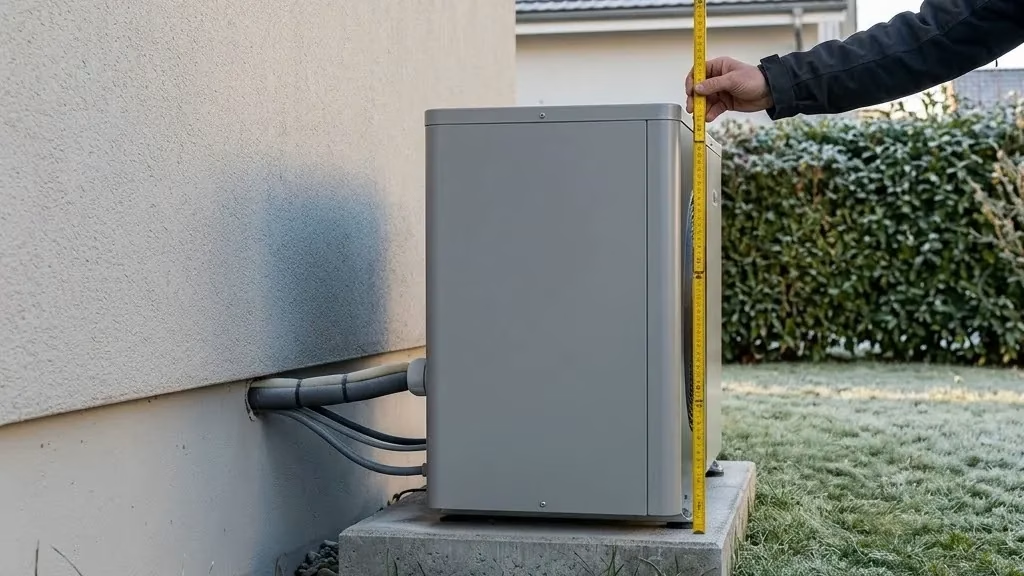
Since 1 January 2023, most heat pumps in the Canton of Zurich no longer need a building permit – the notification procedure with the municipality is enough. This applies to indoor air/water heat pumps, outdoor units up to 2 cubic metres in size, and ground-source heat pumps. A building application remains necessary for outdoor units in core zones and on protected properties. The municipality has 30 days from confirmation of receipt to raise objections. (As of: July 2026)
Key points in brief
- Notification procedure instead of building application: indoor air/water heat pumps, outdoor units up to 2 m³, ground-source heat pumps and district heating connections.
- Exception: outdoor units in core zones, on properties in the townscape/heritage protection inventory, or subject to a protection order still need a building permit.
- Process: electronic notification form to the local building authority; 30 days from confirmation of receipt for objections, after which construction may begin.
- Pitfall: the automatic electronic receipt confirmation does not count as confirmation from the building authority – the deadline only starts once that authority confirms it.
- Ground probes additionally require the canton's water protection permit – the notification procedure does not replace it.
Notification procedure or building application – the overview
The Canton of Zurich noticeably cut red tape around heating replacement in 2023: heat pumps, solar systems and charging stations have since generally gone through the simplified notification procedure. For heat pumps, the distinction looks like this:
| System | Procedure |
|---|---|
| Air/water heat pump, installed indoors | Notification procedure |
| Air/water heat pump, outdoors, up to 2 m³ unit size | Notification procedure |
| Outdoor air/water heat pump in a core zone / inventory property / subject to a protection order | Building permit |
| Ground-source heat pump | Notification procedure (+ cantonal permit for the drilling, see below) |
| District heating connection | Notification procedure |
As of: July 2026, according to the Canton of Zurich's publication. The current cantonal requirements and your municipality's practice are decisive.
The 2-cubic-metre limit sounds technical, but it's generous: typical outdoor units for single-family homes are well below it. In practice that means – unless you happen to live in a village core zone or a protected property, you'll get through a standard heating replacement without a building application.
How the notification procedure works
1. Gather the documents: notification form, site plan showing the unit's location, technical details – and for outdoor units the noise protection certificate, since the noise regulations apply equally under the notification procedure. 2. Submit electronically to the building authority of the municipality where the property is located. 3. Wait for confirmation of receipt from the building authority. This is where the procedure's most important pitfall sits: the automatic confirmation from the online system is not the local building authority's confirmation of receipt. The deadline only starts running once that authority confirms it. 4. 30-day deadline: if the municipality does not raise objections within 30 days of that confirmation, construction may begin. If an objection is raised, the project is revised or moved into the ordinary procedure.
Realistically, that means for scheduling: a good month lies between submission and construction clearance – which, in the heating replacement process, runs in parallel with ordering materials and, with clean planning, doesn't delay the project.
Special case: ground probe – two procedures, not one
For brine/water heat pumps with a ground probe, the notification procedure is only half the job. The drilling itself affects the groundwater and therefore additionally requires a cantonal water protection permit. Whether drilling is even allowed at your location depends on the groundwater situation – probes are excluded in groundwater protection zones, and elsewhere conditions apply to the drilling depth.
The good news: this procedure, too, is routine once you know it – checking whether it's permitted belongs at the start of planning, not the end. Details on the process: Ground probe: process, permit & suitability.
Core zone or protected property: what does that mean in practice?
If your property is in a core zone or listed in the townscape or heritage protection inventory, the outdoor unit still needs a building permit. That's not a ban – it means an ordinary procedure with a longer duration and design conditions (location, screening, colour).
Two pragmatic ways out that we check first in such cases: indoor installation (which brings the notification procedure back into play) or a ground probe, which has no visual presence at all. Whether that works for the specific property is shown by the site visit – it can't be promised across the board.
Who takes care of the procedure?
Formally, the property owner is responsible. In practice, the specialist company planning the system handles the procedure – they already have the technical details, the noise protection certificate and the routine paperwork to hand. At ecoEn, the notification, the noise protection certificate and – if necessary – the building application are part of the project scope; clarify this point explicitly with every provider before you sign (the checklist asks about it).
The 30-day deadline is regularly underestimated in scheduling – because of the confirmation trap: anyone who mistakes the automatic system email for the building authority's confirmation of receipt is counting on a deadline that hasn't actually started yet. We've made a habit of actively following up with municipalities until the real confirmation is in hand – only then is the installation date fixed. That avoids the awkward situation of having material and team ready while the deadline formally hasn't even begun.
Do you live in the Canton of Zurich? You will find local costs and incentives under Heat pump in Zurich.
Frequently asked questions
Do I need a building application to replace my oil heating with a heat pump?
In the Canton of Zurich, in most cases no – indoor units, outdoor units up to 2 m³ and ground-source heat pumps go through the notification procedure. Exceptions: core zones and protected properties.
How long does the notification procedure take?
The municipality has 30 days from its confirmation of receipt to raise objections; without an objection, construction may begin afterwards. Including preparing the documents, expect around four to six weeks in total until construction clearance.
Does the notification procedure also apply in the City of Zurich?
The cantonal procedure applies across the whole canton; responsibility lies with the local building authority. The building permit requirement for outdoor units applies everywhere in core zones and on inventoried properties – and there are a number of those in the city districts.
What happens if I build without notification?
Then the legal basis under building law is missing – the municipality can demand a retrospective procedure, modifications, or in extreme cases removal. The effort of notification is small; the risk of skipping it is completely disproportionate.
Does a heat pump under the notification procedure still need a noise protection certificate?
Yes – the notification procedure simplifies the process, not the requirements. The noise regulations under the LSV apply unchanged; the certificate is part of the documents. Details: Heat pump & noise.
Free initial consultation
Heating replacement without the paperwork battle.
Notification, noise protection certificate, any necessary permits – at ecoEn, the whole procedure is part of the project. Get free, no-obligation advice.
Prefer to talk? +41 78 830 83 35
Swissolar member and Solarprofi · ESTI installation authorisation (Art. 14 NIV) · in Zurich since 2017 · over 150 systems completed · a personal answer from the specialist company, no call centre
Further guides
 Wärmepumpe & Lärm: die Vorschriften
 Heizungsersatz: der Ablauf
 Erdsonde: Ablauf & Bewilligung
 Baubewilligung für Solaranlagen
Sources: Canton of Zurich (notification procedure for solar systems, heat pumps and charging stations; PBG § 309), municipal building departments, LSV.
Last updated: 9 July 2026 · Author: ecoEn editorial team