
The most expensive mistakes in heating replacement do not happen on the construction site, but before it: started too late, incentive application submitted after construction start, location chosen without a look at the neighbour, quotes compared that are not comparable. All seven classics are avoidable with little effort – if you know them before the old heating system dictates the schedule. (As of: July 2026)

Key points in brief
- Mistake number one is the calendar: Those who only act when there is a total failure get the deliverable device instead of the appropriate one – at emergency conditions.
- The most expensive formal error: the incentive application after construction start. There is nothing retroactively, and the claim expires completely.
- The most common planning error: the sound location. What the neighbour hears becomes the most expensive rework of the whole project.
- The quietest mistake: the never adjusted heating curve – the system is running, but unnecessarily expensively for years.
- Almost all mistakes have the same root: time pressure. The best protection is a start as long as the old heating system is still running.
Mistake 1: Waiting until the heating system dies
The classic, and it deliberately comes first because it makes all other mistakes more likely. A dead heating system in January dictates everything: What is deliverable is installed, at conditions determined by time pressure – temporary solution, express surcharges, no time for quote comparison, incentive application under stress. Every week of lead time that is missing costs money or quality.
Avoidance is unspectacular: With a heating system from around twenty years of age, plan the replacement now, in peace, with a running old system as a fallback level. The orderly process in seven steps takes a few months – started in the summer, the new system heats before the winter.
Mistake 2: Submitting the incentive application after construction start
The most expensive formal error on the whole list, and it happens surprisingly often: First something is ordered or built, then the incentive is thought of. Too late – the application must be submitted before construction start, retroactive applications are excluded, and the installation or, in the case of geothermal probes, the drilling already counts as the start of construction. In the Canton of Zurich, depending on the system, several thousand francs are thus at stake.
Avoidance: Keep the order – submit application, wait for confirmation of receipt, then build. And ask the specialist company explicitly whether it takes over the applications and checks the deadline; with a well-coordinated company, this is part of the scope of services.
Mistake 3: Leaving the sound location to chance
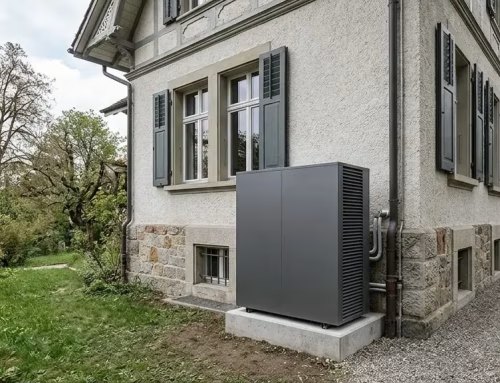
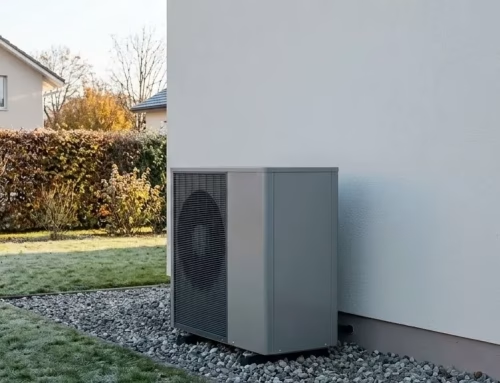
With air-to-water heat pumps, the most common planning error: The outdoor unit goes wherever there is space – and points with the exhaust direction towards the neighbour's bedroom window. The noise protection regulations set binding limits, and a subsequent relocation including new lines is one of the most expensive reworks of all – not to mention the strained neighbourhood relationship.
Avoidance costs nothing: The four basic location rules – distance, reflection, exhaust direction, line route – belong in the first planning discussion, not in the list of defects. A serious provider brings up the topic on their own; if not, this is an indication of the depth of planning.
Mistake 4: Comparing quotes that are not comparable
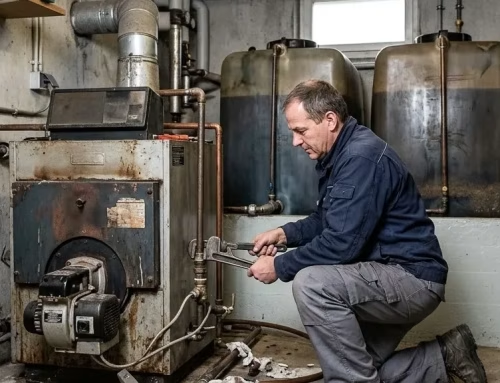
Three quotes, three prices – but three times the same scope of services? With heating replacement, the differences are in the margins: dismantling and disposal of the old heating system, decommissioning or removal of the oil tank, electrical adjustments, chimney work, commissioning and regulation. If an item is missing, it is not free – it comes later as an addendum, and the cheapest quote becomes the most expensive invoice. Which of these items typically arise when replacing an oil heating system: Replacing an oil heating system.
Avoidance: Put items side by side instead of final totals, actively ask for missing items, have exclusions quantified. It is the same discipline as comparing solar quotes – once you have mastered it, you apply it to every trade.
Mistake 5: Buying too big – «more power doesn't hurt»
Yes, it hurts. An oversized heat pump cycles: It turns on, reaches the target temperature too quickly, turns off, turns on again – an operating pattern that costs efficiency and unnecessarily wears the device. The intuition «better a size bigger, then there is a reserve» comes from the boiler world and does not fit the heat pump, which prefers to run long and quietly.
Avoidance: sizing that is based on the actual heat demand of the building – ideally on the real consumption of the last few years (oil deliveries, gas bill), not on a flat rate per square metre. Anyone who brings the documents from the inventory makes the clean design easy for the planner.
Mistake 6: Underestimating the notification procedure – or misunderstanding it
The notification procedure in the Canton of Zurich is pleasingly lean, but has two stumbling blocks that regularly cost deadlines: First, the automatic electronic confirmation of receipt does not count as confirmation from the building authority – the 30-day period only runs from its confirmation. Anyone who confuses this and builds «after 30 days» might build without a valid basis. Secondly, the notification procedure does not apply everywhere: In core zones and for protected objects, the outdoor unit still needs a building permit, and geothermal probes additionally need the cantonal drilling permit.
Avoidance: leave the procedure to the specialist company and realistically set it in the schedule – it is routine work, but routine work with deadlines.
Mistake 7: Never looking closely again after installation
The quietest mistake on the list because it does not send an invoice – only a power bill that is too high every year. The factory setting of the heating curve is rarely the most efficient for the specific house; anyone who never adjusts it permanently gives away annual performance factor points that would be available for free. The same applies to hot water times and – where present – coordination with the solar system.
Avoidance: understand the first heating season as an adjustment season. Lower the flow temperature step by step until it is just comfortable everywhere, and agree on the regulation with the installer before he leaves the construction site – preferably as a fixed appointment, not as «contact us if necessary».
The seven mistakes at a glance
| Mistake | Costs | Avoidance |
|---|---|---|
| 1. Emergency instead of planning | Selection, conditions, nerves | from ~20 years heating age plan now |
| 2. Incentive application too late | the whole incentive contribution | Application before construction start, deadline with the company |
| 3. Sound location | most expensive rework | 4 location rules in the first discussion |
| 4. Seemingly comparable quotes | Addenda | Compare items instead of final totals |
| 5. Oversizing | Efficiency + lifespan | Design according to real consumption |
| 6. Notification procedure stumbling blocks | Weeks in the schedule | Procedure at the specialist company, real deadlines |
| 7. Heating curve never adjusted | power costs every year | first heating season = adjustment season |
As of: July 2026. The procedure and incentive details refer to the Canton of Zurich – the current regulations are decisive.
When we take over projects that were started elsewhere, we rarely see technical disasters – devices are almost consistently good today. What we see are sequence damages: the system ordered before anyone thought of the incentive application; the outdoor unit placed before anyone looked at the neighbour's seating situation; the quote signed before the oil tank removal was clarified. The frustrating thing about it: Every one of these mistakes would have been avoidable with a single conversation at the right time. Therefore, our most honest recommendation is not technical in nature, but calendar-related: The best moment for the first consultation is when the old heating system is not annoying anyone yet.
Frequently asked questions
What is the most expensive single mistake when replacing a heating system?
Measured by the amount, usually the delayed incentive application – in the Canton of Zurich, depending on the system, several thousand francs are at issue, and the claim expires completely. Measured by the trouble, the sound location is ahead: reworks there cost money and neighbourhood peace at the same time.
Can I still correct mistake 1 if the heating system has already failed?
Partly – with a temporary solution (mobile heating centre), time can be bought to at least do the quote comparison and incentive application cleanly. That costs extra, but is often cheaper than a hasty wrong decision that stays for twenty years.
How do I recognise whether a quote is complete?
On the margins: dismantling, disposal, oil tank, electrical adjustments, chimney work, commissioning including regulation – each of these items should either be included or expressly excluded and quantified. If nothing of this is stated, ask before you compare.
Is oversizing really worse than undersizing?
Both are wrong, but oversize is the more common and more creeping mistake: The system cycles, wears faster and works inefficiently – without anyone ever noticing, because the house is warm. A tightly sized system is at least noticeable and can be assessed.
Who is liable if the notification procedure went wrong?
The client – so you – is responsible for the building law order. That is why the procedure belongs contractually to the scope of services of the specialist company, including deadline control. Check this point in the contract for work and services before you sign.
Free initial consultation
Seven mistakes, zero of them in your project.
We carry out the heating replacement in the right order: consultation, incentive application before construction start, location planning, notification procedure, regulation – from a single source, with deadline control.
Prefer to talk? +41 78 830 83 35
Plan your heat pump heating replacement →
Swissolar member and Solarprofi · ESTI installation authorisation (Art. 14 NIV) · in Zurich since 2017 · over 150 systems completed · a personal answer from the specialist company, no call centre
Further guides
 Heizungsersatz: der Ablauf in 7 Schritten
 Förderung für Wärmepumpen in Zürich
 Wärmepumpe: Braucht es eine Bewilligung?
 Der richtige Standort: Schall & Abstände
 The seasonal performance factor (SPF) explained
Sources: Canton of Zurich (incentive programme, notification procedure – per current regulations); empirical values from the project and takeover practice of ecoEn GmbH, Zurich region.
Last updated: 9 July 2026 · Author: ecoEn editorial team